
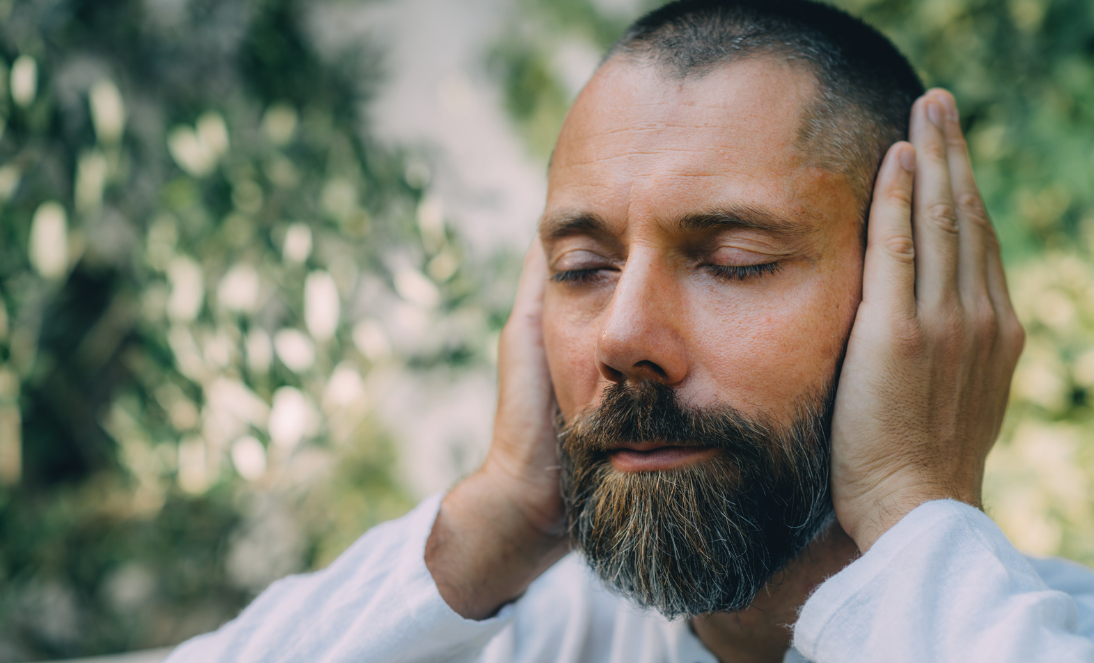
Perhaps you like the idea of a quiet spiritual session at home: no travel, no unfamiliar treatment room, just a little time set aside for yourself. Distance Reiki is offered in that spirit by practitioners who believe they can direct healing energy without being in the same room as the recipient.
You can be curious about that belief while asking clear questions about the experience. A meaningful ritual, a supportive conversation and a proven medical treatment are different things. Knowing the distinction helps you decide what you are looking for—and what you are willing to pay for.
What is distance Reiki?
Distance Reiki is a remote form of a practice centered on the belief in healing energy. The practitioner may describe sending Reiki across distance or focusing an intention on the recipient. That describes their spiritual understanding; it does not establish that energy travels between people or treats a condition.
Depending on the practitioner, a session may include a scheduled quiet period, a phone or video conversation, or a follow-up message. Ask for the actual format rather than assuming that every session involves a live call, an intuitive reading or the same ritual.
What might feel meaningful about a session?
If you value spiritual practices, you may appreciate having a dedicated time to pause, set an intention or feel supported. Your intention could be simple: “I would like a little space to reflect on this transition,” rather than a demand that a symptom disappear or a relationship change.
Someone may report calm, comfort or a personally significant experience afterward. Those experiences can matter to the person having them without demonstrating that an energy connection caused them or that an illness was treated. You do not have to choose between respecting your experience and being careful about the explanation.
A possible reflective use: During a career transition, you might set aside a session to explore how uncertainty feels. Afterward, you write down what you want from your next role and choose one practical step. That is an example of using the time for reflection—not evidence that Reiki will bring a job offer.
What the evidence can—and cannot—tell us
The National Center for Complementary and Integrative Health’s Reiki overview says Reiki has not been clearly shown effective for a health-related purpose. It notes inconsistent findings and research-quality limitations, and says there is no scientific evidence for the energy field proposed in Reiki.
This general overview is not proof that remote sessions work. Personal reports of relaxation or warmth do not establish a medical benefit, and a practitioner’s confidence is not a substitute for evidence.
Questions to ask before booking distance Reiki
A clear description is more useful than a promise of powerful energy. Before paying, ask:
- What will happen? Is there a live conversation, a quiet scheduled period, a written message or another format?
- How long is the session? Does the stated time include any conversation or follow-up?
- What will it cost? Check the total charge and the provider’s current cancellation or refund terms.
- What information is requested? Ask why a photograph, birth date or personal history is needed and how it will be used.
- What claims are being made? Does the practitioner distinguish spiritual beliefs from diagnosis or treatment claims?
- Can I decline or stop? Clarify how to end the session and whether any later purchase is optional.
You do not need to provide a photograph or a detailed medical history merely because someone says it creates a stronger energy connection. Share only what you are comfortable disclosing after considering the purpose and the provider’s privacy information.
Training descriptions may help you understand a practitioner’s approach, but they do not establish medical qualifications or predictive accuracy. Ask what a title or certificate actually refers to rather than assuming it has a clinical meaning.
A simple way to prepare
- Choose a safe, comfortable setting. Sit or rest where you can pay attention without driving or doing a task that needs concentration.
- Agree on the format. Decide whether you want conversation, quiet time or an explanation of the practitioner’s approach.
- Set an intention without a guarantee. Focus on something within your control, such as making room for reflection.
- Keep your boundaries. You can decline a request, change position, open your eyes or end an uncomfortable interaction.
- Leave room afterward. Notice how you feel and write down anything you want to revisit. No special aftercare ritual is required by the evidence discussed above.
You do not have to experience heat, tingling, visions or a dramatic shift. A lack of sensation does not mean you failed, blocked the process or need more paid sessions. There is also no need to force an interpretation of an ordinary feeling.
Keep healthcare and spiritual practice separate
Do not use Reiki to diagnose symptoms, stop prescribed treatment, postpone assessment or replace mental-health care. Bring health concerns to an appropriately qualified clinician. A spiritual practitioner’s reassurance cannot establish that a symptom is harmless.
The NCCIH overview does not establish a universal monthly schedule, a forty-eight-hour energy period or a special diet. If a practitioner suggests a ritual, ask whether it is a personal preference or a spiritual belief. It should not be presented as a medical requirement.
Be cautious if someone promises a cure, claims to detect a dangerous hidden condition, blames your doubt for a disappointing result, or says you must buy an urgent package to remove a blockage. You can step away without debating your spiritual beliefs.
Reflect afterward without chasing a result
Ask yourself: What did I find useful? Was I treated respectfully? Did the time and cost feel reasonable? Did anything leave me pressured or more anxious?
A supportive conversation can be valued as a conversation without calling it a cure. You can also choose a noncommercial practice, such as quiet reflection or journaling, and leave the question of spiritual meaning open. There is no obligation to book again on a fixed schedule.
For another way to explore inner experiences, see our guide to meditation imagery and inner vision. The site’s Disclaimer explains general limitations.
Common questions about distance Reiki
Do I need to believe in Reiki for a session?
Ask the practitioner how they approach belief and uncertainty. You can be curious without agreeing with every explanation. Doubt should not be used to blame you for a disappointing experience.
Will I feel the session happening?
You may notice sensations, or you may notice nothing unusual. Neither response proves an energy transfer or determines your spiritual worth.
Is distance Reiki the same as a psychic reading?
Do not assume that it is. A practitioner may offer one or both services, but an energy-focused ritual and a reading about life questions are different formats. Ask what is included.
Can distance Reiki replace treatment?
No. It should not replace diagnosis, prescribed treatment or mental-health care. If you choose it as a spiritual experience, keep healthcare decisions with an appropriately qualified clinician.
Correction: An earlier version claimed that distance Reiki could treat illness, remove depression and chronic pain, and speed recovery. Those unsupported claims were removed, along with fixed session-frequency and aftercare rules.
The inclusion of a personal photograph to enhance the connection during distance Reiki is a compelling idea. It seems to personalize the experience more.
I wonder if the effectiveness of distance Reiki differs significantly from in-person sessions. Personal experience might be the key to understanding this better.
The concept of energy healing through distance is fascinating. It’s intriguing how Reiki practitioners can connect with an individual’s energy field without physical presence.
Indeed, it’s interesting how technology also facilitates such ancient practices, making them accessible from anywhere.
I agree. The ability to heal remotely certainly expands the reach of this practice to those who might not have access otherwise.
The ability to schedule the sessions online is very modern and aligns well with the digital age. This makes the reevaluation of traditional practices within the context of contemporary needs very interesting.
It’s great that distance Reiki can be done from anywhere, especially for those who are constantly on the move. Accessibility is a significant advantage.
The flexibility of scheduling and conducting Reiki sessions virtually certainly makes it a convenient option for many people.
While some might be skeptical about the efficacy of distance healing, the potential psychological benefits alone could make it worthwhile.
That’s true. Even if the effects are primarily psychological, any form of stress relief and mental peace can be beneficial.
Absolutely. The human mind is powerful, and belief in the healing process might contribute significantly to its effectiveness.
The suggestion to avoid red meat and alcohol for better results post-session is sensible. Diet and lifestyle do play a role in one’s overall well-being.