
If the idea of opening your third eye draws you toward meditation, you may be hoping for a quieter mind, a deeper spiritual connection or a clearer sense of what matters. You do not have to chase visions or an extraordinary experience to explore those hopes.
This guide approaches third-eye meditation as an optional practice of attention and reflection. It offers simple ways to choose a setting, posture and focus, then bring that attention into ordinary life—without promising psychic abilities or an energetic breakthrough.
What does “opening the third eye” mean?
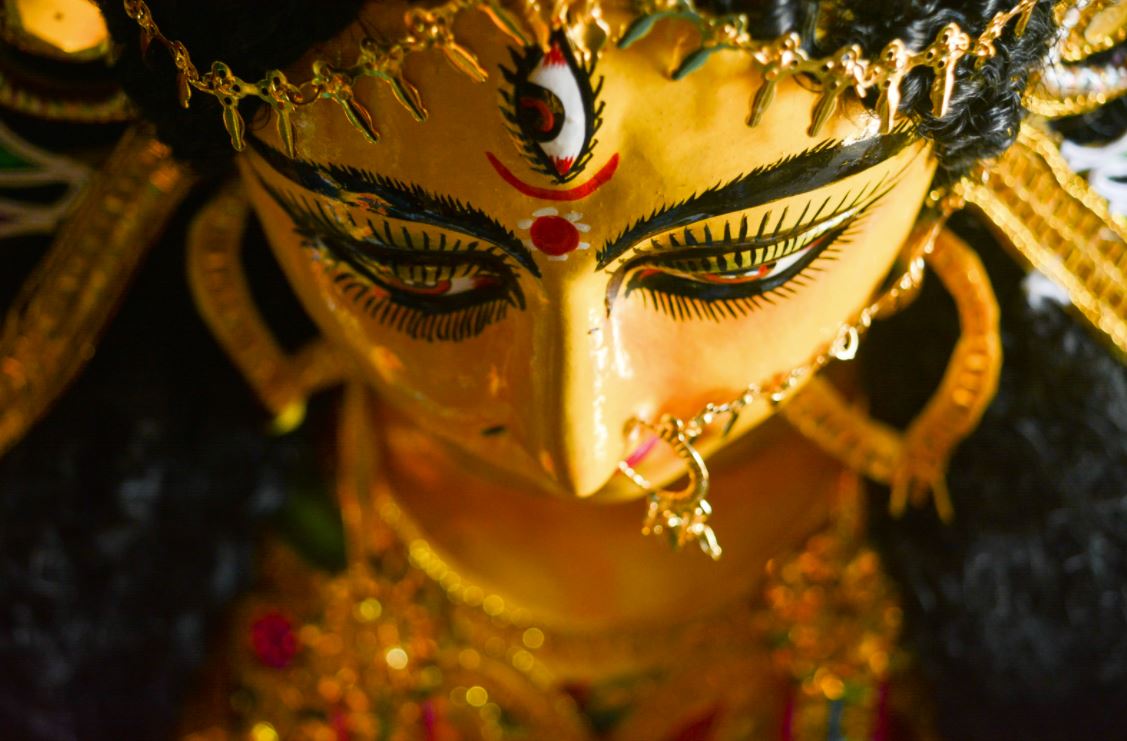
In some Indian spiritual and yoga traditions, the third eye is associated with Ajna, often called the eyebrow center. In the familiar seven-chakra framework it is described as the sixth chakra. Interpretations vary, so one modern description should not be treated as a statement about every Hindu or yoga tradition.
The Himalayan Institute’s teaching on Ajna connects the eyebrow center with intuition and self-knowledge. That is a spiritual account, not evidence that a physical structure in the front of the brain opens during meditation.
You can use “opening” as a metaphor for curiosity or self-reflection. It does not establish that you have access to hidden facts, another person’s thoughts or a certain future.
Start with an intention you can use
Instead of “I must awaken a power today,” try “I would like to notice my thoughts without rushing to act on them.” Another intention might be “I want to separate what I know from what I hope.”
For example, before a difficult conversation, a brief pause may give you space to choose your opening sentence. That is a practical use of reflection; it does not mean meditation has revealed what the other person will say.
You can value a spiritual practice even when it feels ordinary. Not seeing colors, feeling energy or having a revelation is not failure.
Six choices for a gentle beginner practice
1. Choose a focus without forcing your eyes or forehead
You may imagine the eyebrow area if you enjoy Ajna symbolism, but do not strain your gaze, press your forehead or try to generate a sensation there. An ordinary focus—sounds in the room, a comfortable object or a neutral word—is also an option.
If concentrating on your body or breathing is uncomfortable, choose an external object and keep your eyes open. You do not need to pursue the most intense version of a practice.
2. Find surroundings that suit you
A comfortable, reasonably quiet place may make starting easier. It need not be a perfect meditation room. A chair beside a window or a familiar corner can be enough.
If you prefer being outside, choose a safe setting and remain aware of your surroundings. You do not need to switch off communication you rely on for safety, caregiving or accessibility.
3. Let comfort guide your posture
There is no need to sit cross-legged on the floor. A supported chair, comfortable standing position or another suitable arrangement can work for a brief reflection. Adjust or stop if you experience pain.
Walking can be an alternative if it suits your mobility and setting. Keep attention on the route and ordinary safety rather than closing your eyes or becoming absorbed in imagery while moving.
4. Choose an object or image
A leaf, a plain object or a simple mental image can provide a point of attention. You do not need a candle or flame. A picture or unlit object avoids adding fire to the exercise.
When attention wanders, notice it and return gently if you wish. The aim is not to make all thoughts disappear or prove that you can hold one thought perfectly.
5. Use a word or phrase only if you want one
A repeated neutral phrase such as “Here, for a moment” can be a personal reminder. You can also choose silence. Mantras have particular meanings and uses within different traditions; learn the context if you want to study a traditional practice rather than assuming every phrase is interchangeable.
You may repeat a phrase quietly or internally, without forcing rhythm or breathing. It does not guarantee that a chakra has opened.
6. Keep the routine manageable
Begin with a brief pause that fits your capacity, and finish before the practice becomes a strain. You do not have to increase the length each day or meditate daily to prove commitment.
A missed day is simply a missed day. If you want instruction, ask a teacher about their approach, adaptations and how they respond when someone becomes uncomfortable.
A short practice you can try
- Settle in a comfortable, supported position.
- Look around and notice where you are.
- Choose one optional focus: an object, ordinary sound or neutral phrase.
- Allow breathing to remain natural. Return to the focus gently when you wish.
- Ask, “What is one thing I want to approach more thoughtfully?”
- End by noticing the room again and choosing a practical next step.
Skip any part that does not suit you. This is a reflection exercise, not a test of whether your third eye is open.
Mindfulness in ordinary life
Mindfulness involves attending to present experience without immediately judging it. You can explore that idea without adding a claim that every moment of awareness activates a chakra.
- Notice your surroundings: Observe one detail while preparing a drink or sitting near a window.
- Go outside if it suits you: Notice weather, light or sound on a safe route. Indoor observation is a valid alternative.
- Make room for creativity: Sketch, write a few lines or experiment with an idea. Meditation is not a guaranteed cure for creative block.
- Pay attention to a small task: Slow down one ordinary activity when practical, without expecting constant calm or perfect awareness.
If an emotion appears, you can name it without deciding it is a spiritual message. Noticing frustration does not require judging yourself for having it.
What benefits are realistic?
Some people find a reflective routine personally useful; others prefer different activities. The NCCIH overview of meditation and mindfulness discusses potential benefits, limitations and safety. Evidence about particular meditation programs is not proof of a third-eye opening or guaranteed psychic development.
Do not measure success by visions, greater spiritual status or a promise of better physical health. A more modest question is whether the practice fits your needs and leaves room for daily life.
Intuition can remain something to explore. Write an impression beside the facts you have, consider alternative explanations and seek appropriate information before important decisions.
When to pause or seek support
Meditation is not comfortable for everyone, and unpleasant experiences can occur. If you become distressed, stop, orient to your surroundings and choose an ordinary activity or supportive conversation. Do not assume distress means you must push harder to complete an awakening.
If symptoms or unusual experiences persist, affect sleep or interfere with daily life, speak with an appropriate healthcare professional. Do not interpret headaches, vision changes or frightening experiences as proof that the practice is working.
Spiritual reflection should not replace healthcare or become a reason to postpone it. You can explore your beliefs and still seek practical support.
If you discuss the third eye in a psychic reading
Ask about your own reflection, such as “Which assumption would I like to examine?” A reading cannot certify an open chakra or establish a health diagnosis.
Set a budget and be cautious of pressure to buy repeated activation or protection sessions. You do not need someone else’s approval to keep a gentle practice—or to stop it.
Frequently asked questions
Do I need to see visions?
No. Imagery is not required, and having imagery does not establish psychic accuracy. An ordinary experience can still be meaningful.
Must I sit cross-legged?
No. Choose a comfortable, supported arrangement that suits you. Pain is not a requirement for spiritual practice.
Does mindfulness prove my third eye is open?
No. Paying attention to present experience does not establish an energetic opening. You can use spiritual language as personal meaning without treating it as a test.
Should I meditate longer if I feel distressed?
No. Stop or change the practice rather than forcing it. Seek appropriate support if distress persists or disrupts daily life.
The benefits of opening the third eye, such as increased wisdom and reduced stress, are quite compelling.
I find the idea of gaining more wisdom through an open third eye particularly appealing.
I can see how mindfulness can boost creativity. It allows one to be more aware and present, tapping into creative potential.
The concept of the third eye is fascinating. The article provides a clear guide on how to start with meditation.
I appreciate the step-by-step instructions for meditation. It’s helpful for beginners like me.
Spending time in nature as part of mindfulness practice is a great tip. It truly helps in reconnecting with oneself.
The importance of choosing the right surroundings for meditation cannot be overstated. It’s essential for a successful practice.
Yes, setting up the right environment makes a huge difference in one’s ability to focus.
I agree, finding a quiet and comfortable space is crucial for effective meditation.
The link between mindfulness and meditation is well explained. Both practices indeed complement each other.
I like the suggestion to use a mantra during meditation. It helps maintain focus effectively.
Agreed. A meaningful word or phrase can really anchor the meditation practice.
Using a mantra definitely helps in keeping the mind from wandering.