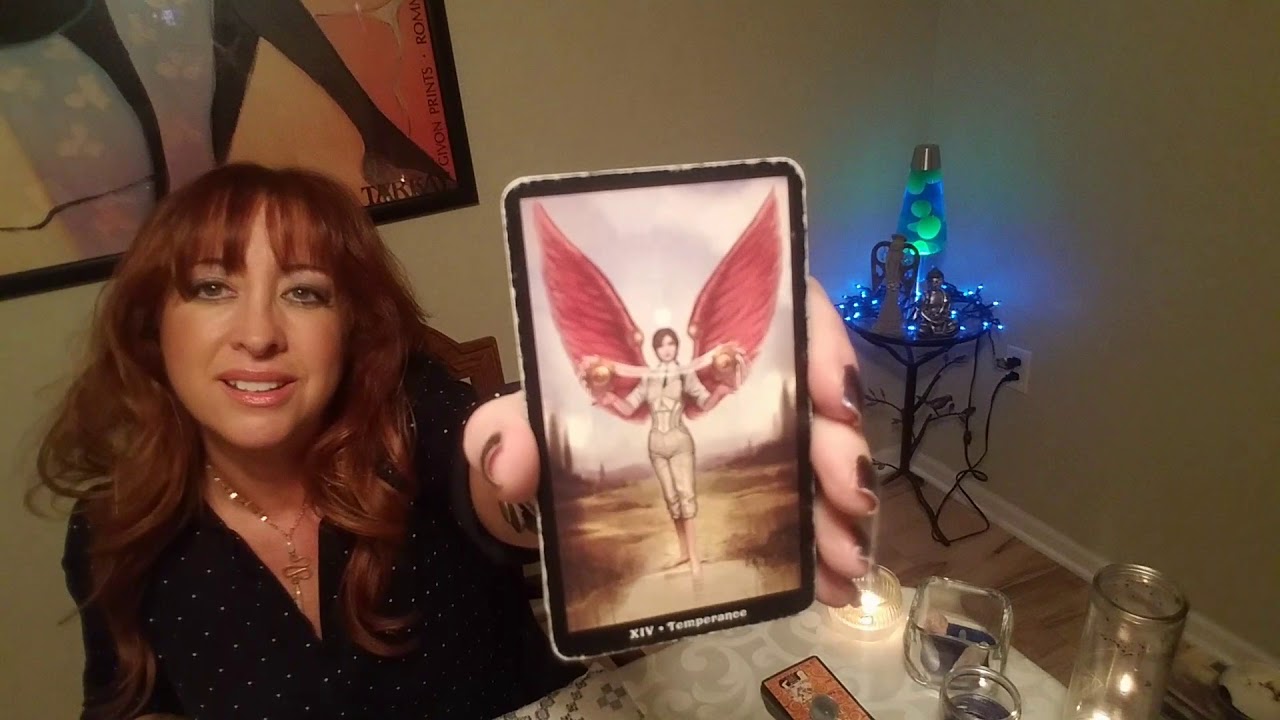
A tarot card can give you a way to name a feeling you have struggled to put into words: trapped, worn down, afraid, or ready for support. If tarot is part of your spiritual life, that moment of recognition may matter. But no card can prove that a relationship is abusive, tell you whether someone is safe, or decide when you should leave.
You do not need a troubling spread—or anyone’s permission—to take your concerns seriously. The reflections below use ten cards as optional prompts, not an abuse-detection system. Your lived experiences matter more than an interpretation.
Put real-world safety before the reading
The National Domestic Violence Hotline describes relationship abuse in terms of power and control. Look at actual behavior, not the cards: intimidation, threats, coercion, or control over your choices deserve attention. A reassuring card does not cancel out something that frightened or hurt you.
If you are in immediate danger in the United States, call 911. For support about relationship abuse, contact The Hotline at 800-799-7233, text START to 88788, or use its live chat. Outside the United States, contact local emergency or domestic-abuse services. If someone monitors your devices, consider a safer way to access help; private browsing is not a guarantee of privacy.
The Hotline offers personalized safety-planning resources for people experiencing abuse, preparing to leave, or after leaving. A plan should fit your circumstances. This article and a tarot reading cannot assess your individual risks or replace an advocate’s help.
Ten tarot cards as reflection prompts—not warning tests
These are suggested ways to reflect on the images and themes, not fixed verdicts about you or another person. Decks and reading styles differ. A reversal does not make someone an abuser, and the absence of these cards does not mean a relationship is safe.
1. Eight of Swords: name what feels restrictive
The bound figure may bring up a feeling of having no room to move. Instead of asking, “Why can’t I see the obvious way out?” try, “What barriers am I facing, and what support might help?” Money, housing, family responsibilities, fear, and isolation are real circumstances—not failures of intuition. The image must not be used to suggest that getting safe is simply a matter of removing a blindfold.
2. The Devil: separate connection from obligation
The chains can become a prompt about attachment: “What am I being told I owe, and do I actually consent?” Love, attraction, spiritual connection, or a shared history does not oblige you to accept harm. This card is not proof of a curse, a dangerous soul bond, or a partner’s character. You do not need to purchase a cleansing to deserve safety.
3. King of Swords reversed: notice how authority is used
Use this card to explore the difference between clear communication and language that shuts you down. “Can I disagree without fear?” is more useful than trying to identify a hidden villain in the spread. A reader should not label your partner, parent, or boss abusive from one symbol; talk about what the person actually says and does.
4. Ten of Swords: acknowledge hurt without forecasting it
A stark image may resonate with betrayal or exhaustion. It can invite, “What pain needs acknowledgment, and who could support me?” It does not predict violence, death, or a doomed future. If the imagery feels overwhelming, set the card aside. You do not have to continue a reading to reach a meaningful conclusion.
5. The Chariot reversed: release the demand to control everything
Consider, “What is within my control, and what belongs to someone else?” You cannot make another person safe by performing the right ritual, choosing perfect words, or drawing a different card. This prompt is about your choices and support—not predicting someone’s anger or testing whether a confrontation will be safe.
6. The Emperor reversed: reflect on boundaries and autonomy
This card can open a conversation about who gets to make decisions. “Are my needs and choices respected?” leaves space for specific examples. It cannot establish a person’s motives, insecurity, or intentions. Focus on behavior and its effect on you rather than explaining away harm through a spiritual or personality label.
7. Nine of Wands: let strength include receiving help
The guarded figure can invite, “What would rest and support look like for me?” Endurance is not a duty to stay in a harmful situation. Nor does struggling, returning, or feeling uncertain mean you are weak. A compassionate reading should make room for your circumstances without praising suffering as a spiritual test.
8. The Moon reversed: allow uncertainty without inventing memories
Try, “What do I know, what am I unsure of, and what would help me feel grounded?” Do not use a card to uncover supposedly hidden abuse, reconstruct childhood events, or tell someone what must have happened. If memories or distress concern you, speak with a qualified mental-health professional; a reader should not supply a story and present it as fact.
9. Nine of Swords: take distress seriously
This image may reflect worry in the way you choose to read it. Ask, “How is this situation affecting my sleep, concentration, or sense of safety?” The card does not diagnose anxiety or establish its cause. You can seek support for distress without proving a particular interpretation or waiting for the next reading.
10. Five of Swords: look beyond “we both argue”
Explore, “What happens during disagreements, and am I free to say no?” A conflict-themed card cannot show that both people are equally responsible for abuse. Do not let “there are two sides” become a reason to dismiss threats or control. Describe the events to a trained advocate rather than deciding responsibility from a spread.
A gentler way to use tarot
If a reading feels supportive and safe for you, keep the questions centered on reflection:
- What feeling do I want to acknowledge today?
- What kind of support would I welcome?
- What do I want to discuss with someone I trust?
Skip questions such as “Will they hurt me?” or “Should I leave tonight?” Those require real-world assessment, not divination. Avoid making a written record on a device someone else can access if that could put you at risk. You can reflect without recording anything.
What a responsible reader should not promise
A reader should not tell you that abuse is your karma, that your soul chose it, or that a difficult card proves you must stay. Be wary of demands for secrecy, repeated paid readings to determine your safety, or claims that only the reader can break a harmful bond. No reading should pressure you to ignore an advocate or health professional.
You can value tarot and still place safety outside the cards. Let symbolism help you express yourself if it genuinely helps; let appropriate support address the practical situation. You deserve care without having to earn it through spiritual endurance.
The connection between Tarot cards and psychological issues in relationships is interesting. However, it is essential to approach this topic with caution and seek professional help when needed.
It’s intriguing how Tarot cards can be interpreted to reflect abusive relationships, but anyone experiencing such issues should reach out to mental health professionals or support services.
The symbolic nature of Tarot cards can provide some insight, but it’s important to approach the topic of abuse with appropriate seriousness and seek expert advice.
Using Tarot to acknowledge relationship issues could be helpful for some, but it shouldn’t replace professional psychological support.
Absolutely. Tarot can be an insightful tool, but professional guidance is crucial in such sensitive matters.
The descriptions of the Tarot cards and their relation to abusive relationships are quite detailed. It’s a unique perspective.
The idea of Tarot cards representing abuse is fascinating and can lead to deeper self-reflection.
Yes, and it’s crucial for individuals to understand the limitations of such tools in addressing serious issues.
I agree. It might help people become more aware of their situation, but professional help should be a priority.
While Tarot cards can symbolize many aspects of life, it’s important to remember that they are not a substitute for trained mental health professionals.
Tarot cards can offer a symbolic representation of personal struggles, but determining abuse should involve professional assessment.